Battlefield 3D Printing: Firestorm Labs’ Mobile xCell Drone Factories
Overview
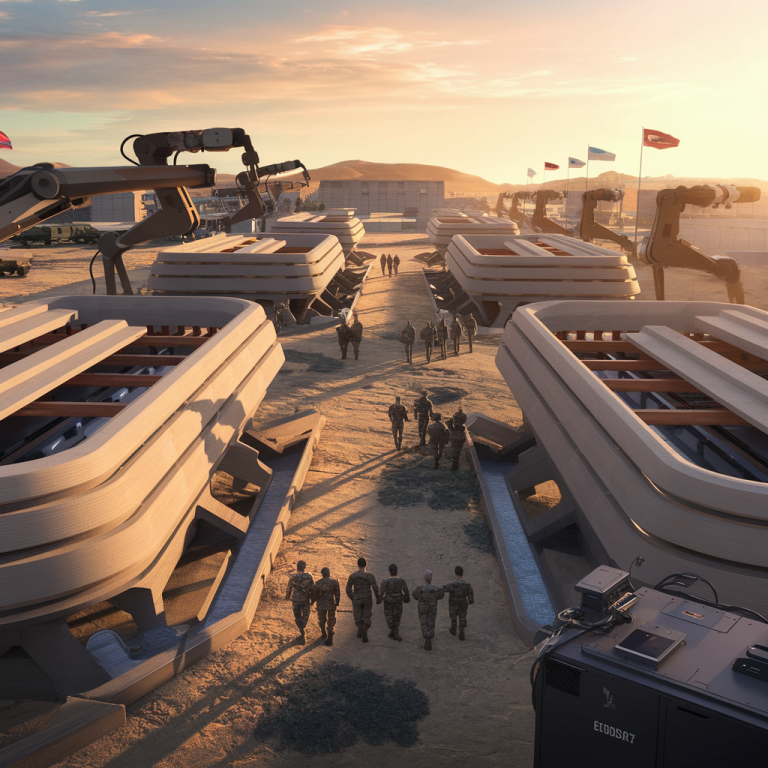
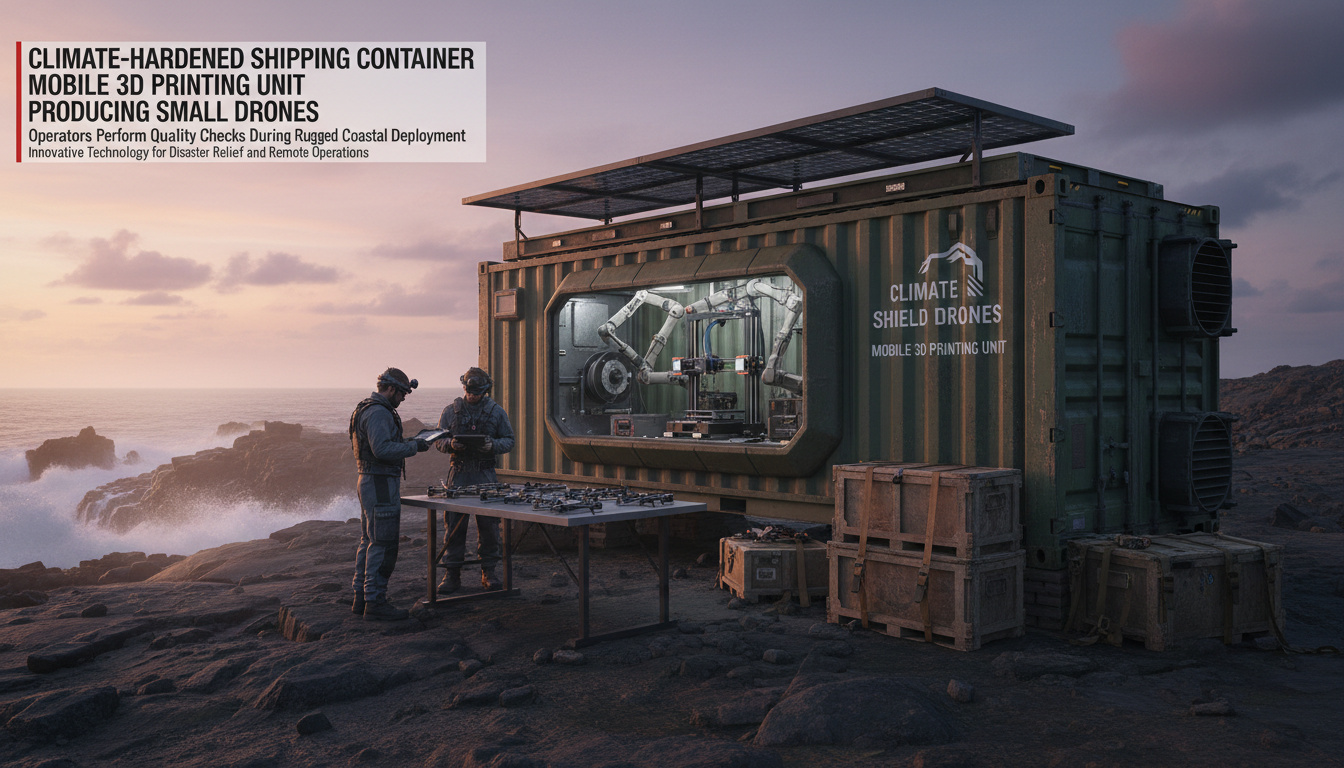
Firestorm Labs is introducing a new model of field-forward manufacturing with its xCell mobile units. Each xCell is a climate-hardened shipping container that houses industrial-grade HP 3D printers and a compact production workflow able to produce up to 17 small-to-medium drones per week with only a handful of operators. The company has secured a $100 million contract from the U.S. Air Force and $47 million in venture funding, and expects the first xCell deployment to the U.S. Indo-Pacific Command region in early 2026.
How xCell Works
The xCell units combine sealed print environments, industrial SLA or polymer extrusion systems from HP, on-site post processing, and digital workflow tools to move from CAD to flight-ready airframes rapidly. Designs and part files are delivered securely via cloud platforms so local crews can initiate print jobs, perform quality checks, and carry out final assembly. The approach focuses on repeatable, validated prints rather than pure experimentation, enabling a quick turnaround for replacements and mission-specific platforms.
Operational and Strategic Impacts
– On-demand manufacturing: Units reduce dependence on extended supply lines by producing components and whole drones near the point of need. This shortens resupply cycles and increases operational tempo.
– Force resilience: Damaged assets and custom payloads can be replaced or adapted in theater, improving readiness.
– Lower logistics footprint: Shipping container form factor simplifies transport by sea, air, or land and allows rapid redeployment to new theaters.
– Scalability: Multiple xCells networked across a region can support surge production without relying on central factories.
Regulatory and Technical Hurdles
– Certification of printed parts: Many military and civil applications require validated materials and traceable processes. Nylon and other polymer airframes will need acceptance by procurement authorities and demonstrable performance data under operational stresses.
– Quality assurance: Real-time monitoring and ‘born qualified’ workflows are necessary to ensure each printed part meets specifications. Integration of AI-powered inspection could accelerate acceptance.
– Supply chain for feedstock: Reliable delivery of qualified polymer pellets or resins to forward locations remains a logistical challenge, especially in contested environments.
– Security and IP: Secure file transfer and anti-tamper measures for digital designs are critical when distributing part files across dispersed units.
What to Watch
– Early deployments: The first xCell in Indo-Pacific will be an important proof point for performance, sustainment, and operational integration.
– Certification milestones: Contracts or technical reports recognizing printed components for flight use will drive wider adoption.
– Ecosystem partnerships: Collaborations with materials suppliers, software vendors, and inspection technology providers will determine how scalable and robust the solution becomes.
– Dual use implications: Civilian sectors with remote operations such as disaster response, offshore energy, and scientific expeditions could adopt similar mobile factories.
Bottom Line
Firestorm Labs is testing a powerful idea: push manufacturing to the edge and shorten the time from need to capability. If xCell proves reliable and regulators accept 3D-printed airframes and components, the model could reshape logistics and readiness for defense operations and inspire civilian applications that value speed and locality.
Original article: Battlefield-Ready 3D Printing: Firestorm Labs’ Mobile Drone Factories
This page contains affiliate links and I earn a commission if you make a purchase through one of the links, at no cost to you. As an Amazon Associate I earn from qualifying purchases.